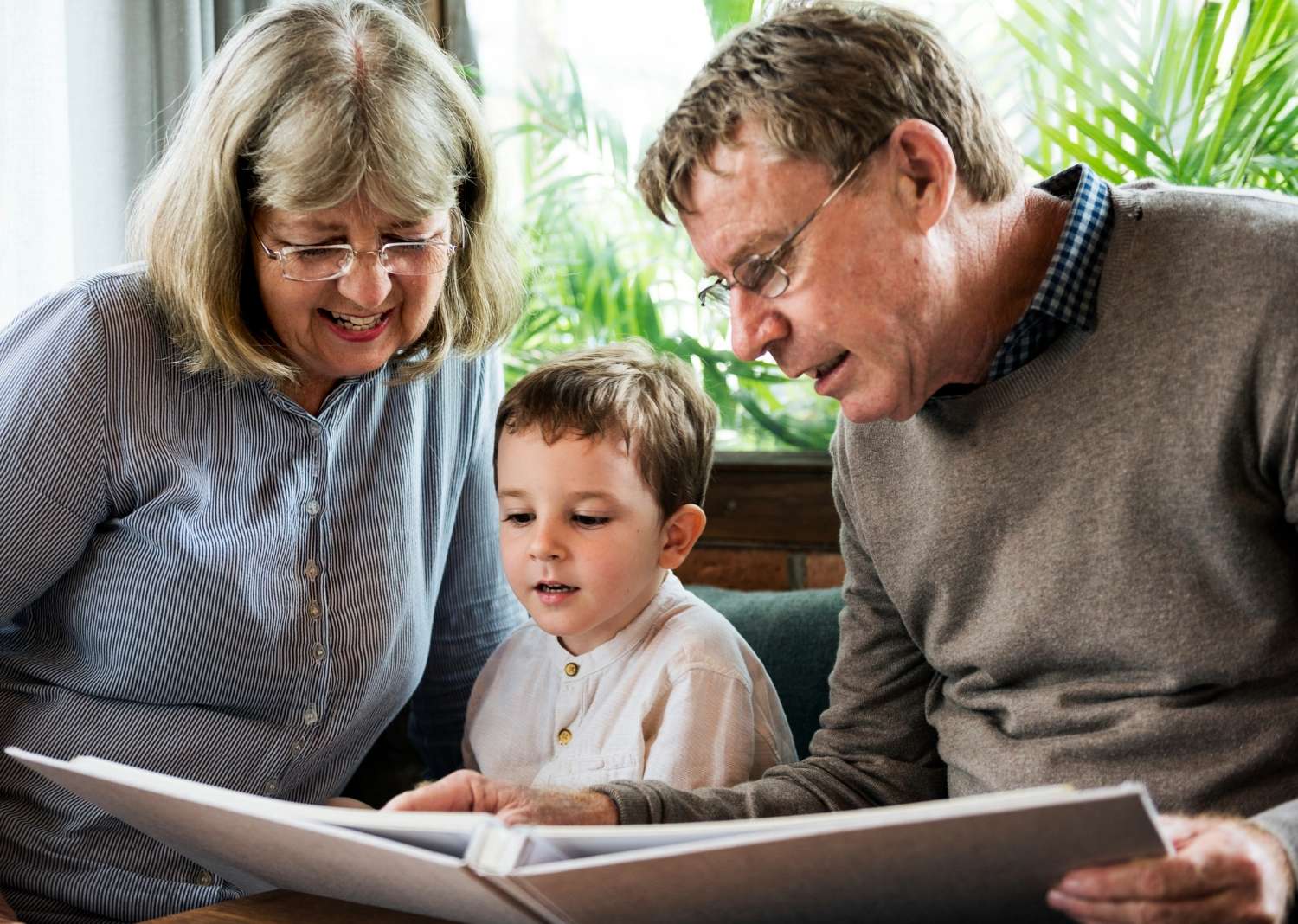
Most people think charitable giving in an estate plan is something billionaires do. It's not. It's something families do. Families who care about leaving something behind that means more than money.
For many families, generosity has always been part of life. Maybe you give regularly to your church. Maybe there is a local organization that has supported your community for decades. Maybe your family cares deeply about a school, ministry, veterans’ organization, or a cause that has touched your life personally.
That generosity does not have to stop when you do.
Estate planning is often discussed in terms of who receives the house, the cabin, the savings, or other assets. However, leaving a legacy can be about much more than dividing up what you own, and more about an opportunity to pass along the values that shaped the way you lived.
Generosity Doesn't Have to Stop When You Do
When families start estate planning, the first questions are usually about children, grandchildren, property, and avoiding unnecessary complications.
Those things matter. But there is another question worth asking too:
What do you want your estate to say about what mattered to you?
For some families, the answer includes generosity. A charitable giving estate plan Minnesota families create thoughtfully can make room for the people they love while also supporting the churches, communities, and organizations that have been meaningful throughout their lives.
This is part of what makes estate planning and generosity such an important conversation. You are not simply deciding where assets go. You are deciding what kind of legacy they help create.
If you already have an estate plan, this is still a conversation worth having. Your plan may have been created years ago, before you seriously considered charitable giving or before a particular organization became important to you.
Why "I'll Just Leave Something in My Will" Often Falls Short
If you have wondered how to leave money to charity in your will, the answer can be relatively simple. You can generally name an organization and leave it a specific dollar amount, percentage, or asset.
For many people, that may be an appropriate solution. However, a will is not always the only or best place to accomplish a charitable goal.
Assets passing under a will may need to go through probate before they are distributed. That can mean additional time and administration. Estate expenses may also affect what is ultimately available for beneficiaries, including charitable beneficiaries.
There is also the question of whether the gift is structured clearly enough to accomplish what you intended. If you want money used for a particular ministry, program, scholarship, or purpose, simply naming an organization may not tell the whole story.
That is the idea behind "don't waste your money being generous." It does not mean giving less, it means thinking carefully about how you give so your generosity has the best chance of accomplishing what you intended.
Ways to Build Giving Into Your Estate Plan
There is no single right way to include charitable giving in an estate plan. The right approach depends on what you own, whom you want to provide for, which organizations matter to you, and how involved you want your family to be.
Generosity works best when your legal documents, your finances, and your tax picture are all telling the same story. When those pieces work together, charitable giving tends to go further. Sometimes that means leaving one asset to an organization you’ve chosen to support and another to your children, simply because it reduces your family’s tax burden.
Charitable Bequests
A charitable bequest is one of the simplest options. Your will or trust can direct a specific dollar amount, percentage, or asset to a church or charitable organization.
For some families, placing the gift within a properly structured trust may also help the gift move according to the overall estate plan without relying on a will alone.
Beneficiary Designations
Certain accounts and policies allow you to name beneficiaries directly. In some situations, a charity can be named as a full or partial beneficiary of a retirement account or life insurance policy.
This can be a useful planning tool because different types of assets may have different tax and administrative considerations. Coordinating those beneficiary designations with the rest of your estate plan can help make sure your charitable wishes and family goals are working together.
Donor Advised Funds
A donor advised fund is an account established specifically for charitable giving. It may be funded during your lifetime or incorporated into your plans for what happens after death.
A donor advised fund estate plan can be especially appealing to families who want future generations involved in giving decisions. Rather than choosing every charitable recipient today, a family may be able to continue making grants over time according to the structure of the fund.
For some families, that turns charitable giving into part of the family culture instead of simply a one-time gift.
Charitable Remainder Trusts
A charitable remainder trust is a more specialized option. Generally, assets are placed into a trust that can provide income to an individual or family for a period of time, with the remaining assets eventually passing to charity.
Families searching for charitable remainder trust Minnesota guidance should understand that these trusts involve additional legal, financial, and tax considerations. They are not necessary for every charitable plan, but they may be worth discussing when a family's goals and circumstances call for more advanced planning.
What Families Often Discover in the Conversation
Sometimes a family may walk into an estate planning meeting focused almost entirely on dividing property among their children. Then someone asks, "Are there any organizations or causes that you would like to remember?"
Sometimes no one has ever asked them that before, but they begin talking about the church they have attended for thirty years, the organization that helped their family through a difficult season, or the local community they want to see thrive.
That is where legacy planning Minnesota families undertake can become much more personal. Generosity in an estate plan is not only about the gift itself, but it can also communicate something to the next generation about gratitude, stewardship, community, faith, and what mattered during your lifetime.
Done thoughtfully, it can even become part of preserving family harmony by giving everyone a clearer understanding of why you made the decisions you did.
A Note on Doing It Right
Good intentions still need a good plan.
A charitable gift that is not coordinated with the rest of an estate may encounter probate expenses, administrative complications, tax considerations, or unclear instructions that affect how the gift is ultimately carried out.
The answer is not to become less generous. It is to be more intentional.
At Generations Law Firm, we help families look at charitable giving as one piece of the larger estate plan. That means considering your family, your assets, your beneficiary designations, your charitable goals, and the legal documents that bring everything together.
Different charitable strategies can have different tax consequences, so those decisions should be reviewed with the appropriate legal, financial, and tax professionals before changes are made.
Ready to Make Your Generosity Part of Your Legacy?
If giving has been part of your life, it may deserve a place in your estate plan too.
Whether you are creating your first plan or reviewing one you already have, Generations Law Firm can help you explore ways to support the people and organizations that matter to you while keeping your larger family goals in view.
Join us for a free estate planning workshop to learn more, or schedule a conversation with our team to talk through your options.
You can also read our blogs for more information about building a strong foundation for your plan.
Generations Law Firm works with families throughout Minnesota and the Midwest, with remote planning options available for clients who cannot meet with us in person.